Best Overnight Frizz Treatments For Smooth Hair

Waking up with a halo of frizz can make your entire morning feel like a struggle against the elements. Most of us spend significant time styling our hair, only to see that effort vanish the moment we hit the pillow. Understanding how to manage your hair while you sleep is the secret to waking up with manageable, sleek strands.
The friction between your hair and your bedding often causes the cuticle to lift, leading to tangles and moisture loss. By shifting your focus to nighttime care, you allow your hair to recover from daily heat and environmental stress. This guide focuses on simple, effective habits that work while you are resting.
Whether you have tight curls or fine, straight hair, there are specific methods to ensure you wake up with smooth results. These strategies are designed to fit into a busy lifestyle without requiring hours of extra work. Let’s look at how you can repair your hair overnight and reclaim your morning routine.
The Impact of Friction and Fabrics

Most traditional pillowcases are made from cotton, which is surprisingly abrasive to hair fibers. As you toss and turn, the rough cotton fibers snag the hair cuticle, causing it to fray and frizz. This constant rubbing is one of the primary reasons you wake up with “bedhead” and tangles.
Switching to a silk or satin pillowcase is a simple change that yields significant results. Silk provides a smooth surface that allows hair to glide easily without catching or breaking. This material also helps retain the natural oils in your hair rather than absorbing them like cotton does.
If you prefer to keep your cotton bedding, consider using a silk hair wrap or bonnet. These accessories keep your hair contained in one place, preventing the rubbing that leads to frizz. It is a practical solution for anyone who moves a lot during the night.
| Fabric Type | Impact on Hair | Best For |
|---|---|---|
| Silk | Zero friction, retains moisture | All hair types, especially dry or curly |
| Satin | Low friction, affordable alternative | Daily frizz prevention |
| Cotton | High friction, absorbs natural oils | Not recommended for frizz-prone hair |
Choosing the Right Overnight Cream or Serum
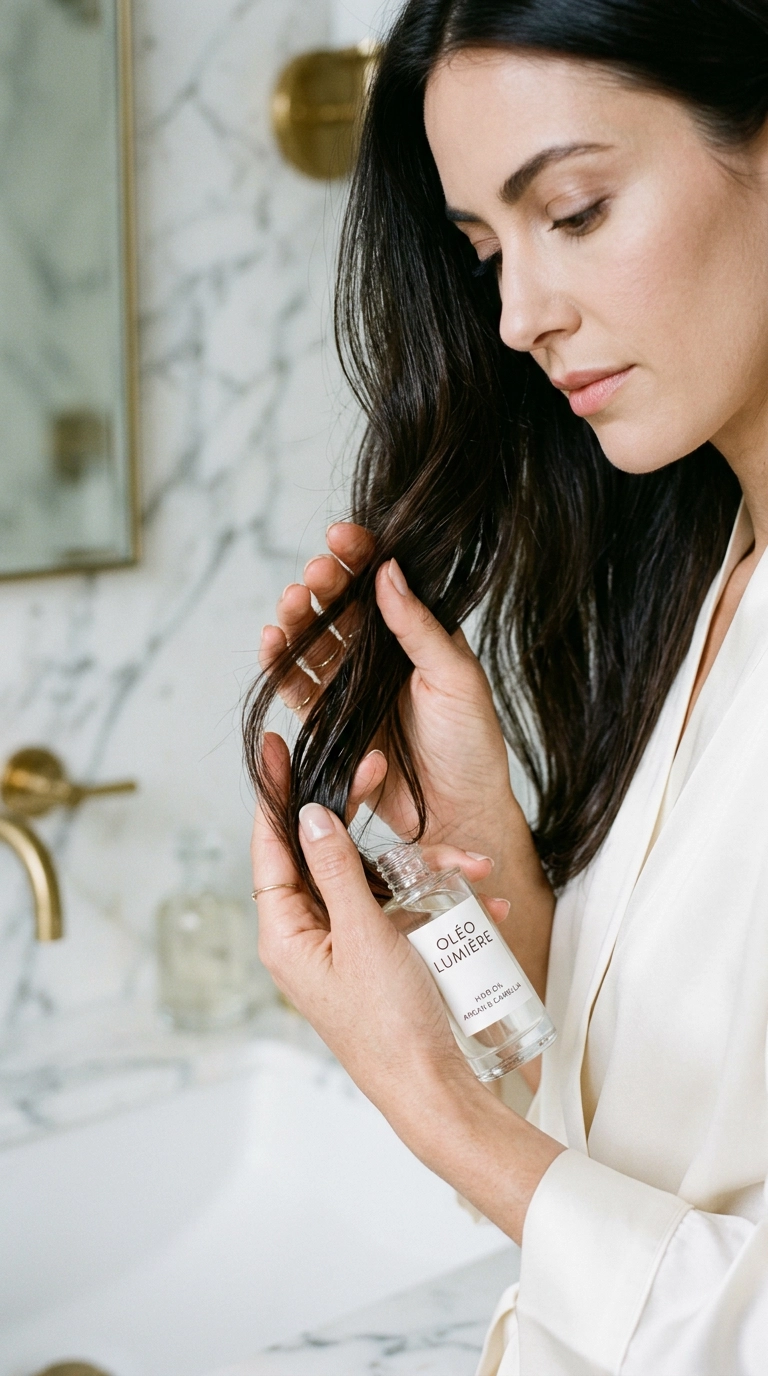
Nighttime is the perfect opportunity to use heavier treatments that might feel too greasy during the day. Your hair has hours to absorb nutrients without interference from wind, sun, or styling tools. Look for formulas that contain humectants and emollients to lock in hydration.
Hyaluronic acid is a fantastic ingredient for hair serums because it draws moisture into the hair shaft without weighing it down. If your hair is particularly thick or coarse, an oil-based treatment with argan or jojoba oil can provide the necessary weight to keep the cuticle flat. Apply these products from the mid-lengths to the ends to avoid a greasy scalp.
Lightweight leave-in conditioners are excellent for fine hair that tends to get tangled. These products provide a protective barrier that keeps moisture in and humidity out. You only need a small amount to see a difference in how your hair feels the next morning.
Ingredients to Look For
- Argan Oil: Rich in vitamin E and fatty acids for deep shine.
- Shea Butter: Ideal for thick or curly textures that need intense moisture.
- Keratin: Helps strengthen the hair structure and smooth the surface.
- Panthenol: A provitamin that improves elasticity and moisture retention.
Protective Hairstyling for Sleep
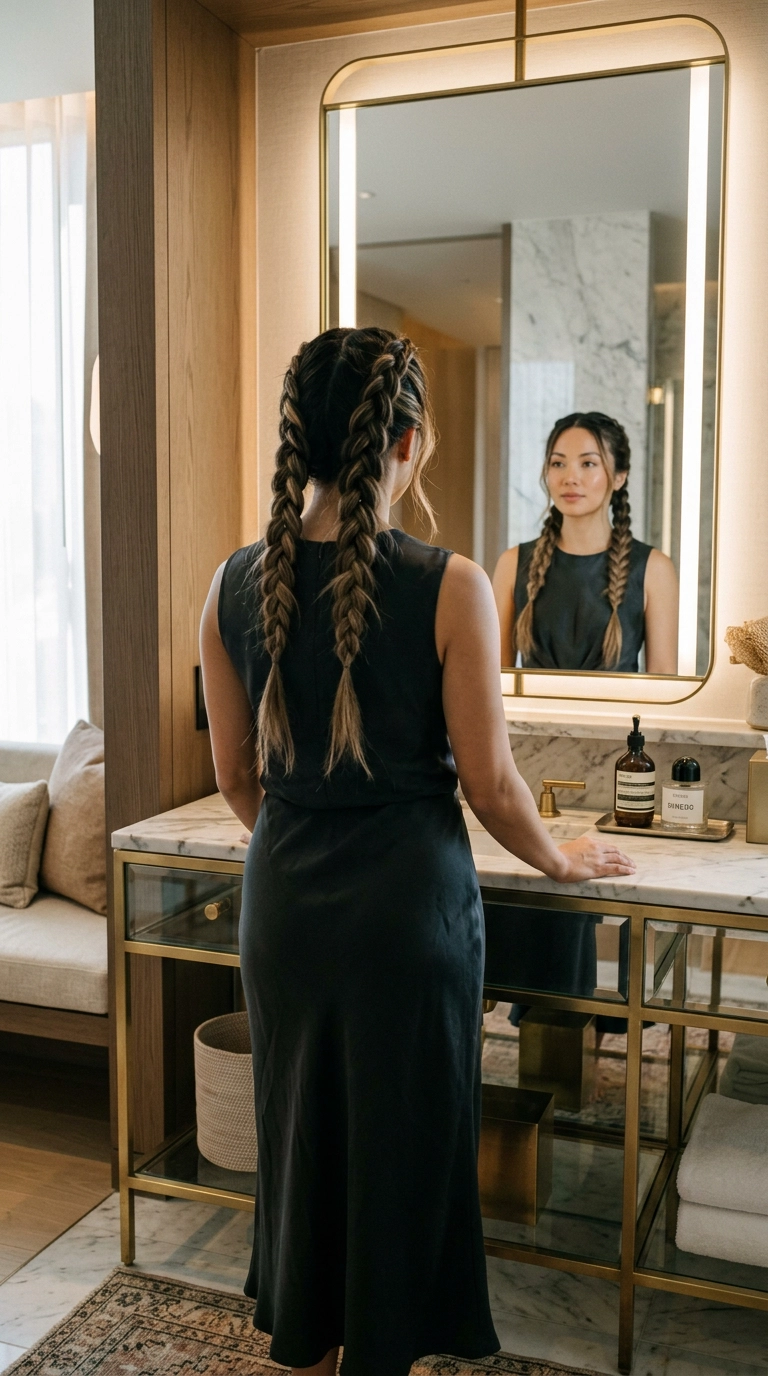
Leaving your hair loose at night is a recipe for tangles and frizz. Gathering your hair into a loose, protective style can keep the strands organized and minimize surface area exposed to friction. The key is to keep the style loose to avoid tension on the scalp and hair follicles.
A loose braid is one of the most effective ways to prevent frizz while creating a gentle wave pattern. For those with curly hair, the “pineapple” method is a classic choice. This involves gathering your curls at the very top of your head with a silk scrunchie so you aren’t sleeping directly on them.
Avoid using tight elastic bands, as these can cause breakage and leave a visible dent in your hair. Instead, use silk or velvet scrunchies which are much gentler. By securing your hair, you ensure that the treatments you applied stay on your hair rather than rubbing off on your pillow.
Top Protective Styles
- The Loose Braid: Prevents tangles and creates soft morning waves.
- The Pineapple: Keeps curls intact and prevents flattening.
- The Silk Wrap: Best for maintaining straight, blow-dried styles.
- The Top Knot: A loose bun keeps hair away from the face and neck.
The Power of Pre-Sleep Brushing
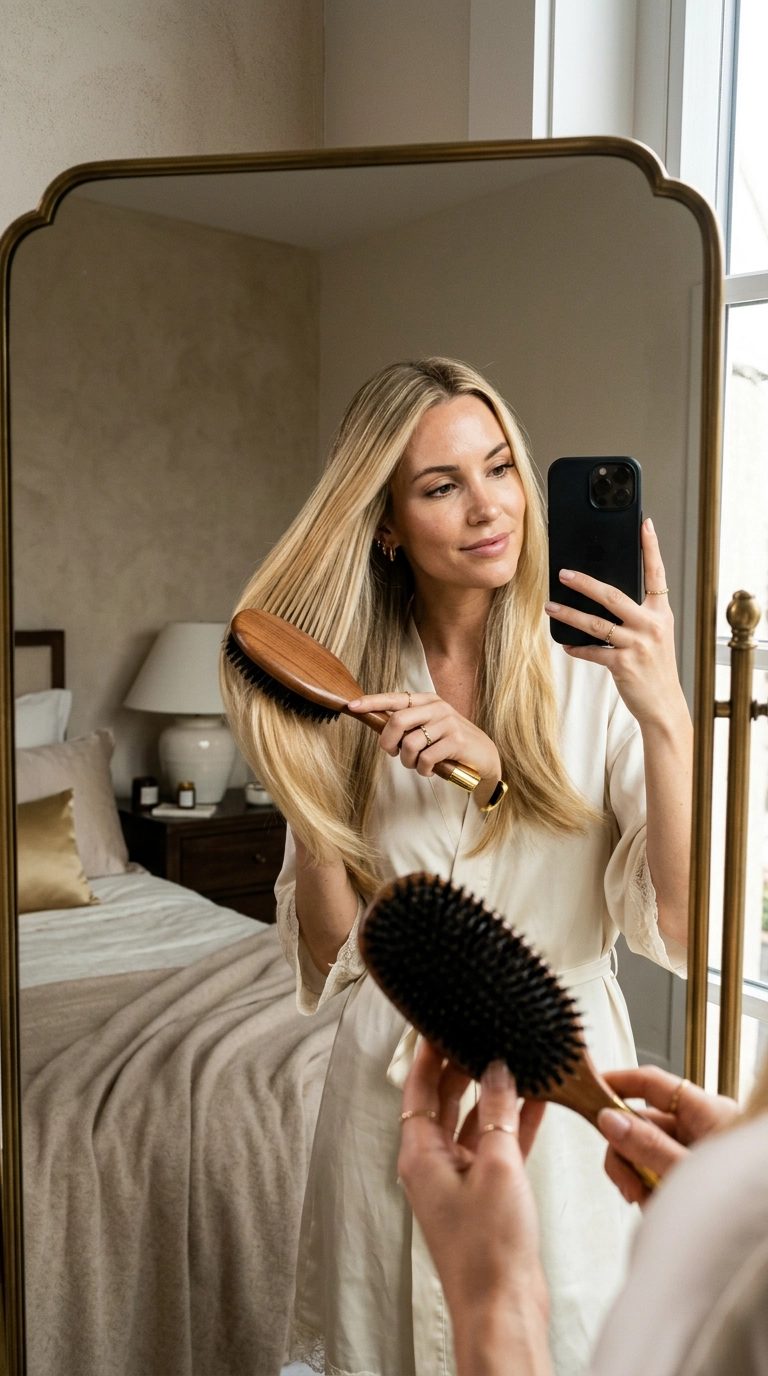
Brushing your hair before bed is a step many people skip, but it is essential for frizz control. This process helps distribute the natural oils from your scalp down to the ends of your hair. These oils act as a natural, free conditioner that protects your hair throughout the night.
Use a wide-tooth comb or a boar bristle brush to gently remove any knots from the day. Starting at the ends and working your way up prevents unnecessary breakage. If you encounter a stubborn tangle, apply a tiny drop of hair oil to help the comb slide through easily.
This routine also stimulates the scalp, which can promote healthier hair growth over time. Taking five minutes to properly detangle means you won’t be fighting with knots in the morning when you are in a rush. It sets the foundation for whatever overnight treatment you choose to apply.
Natural DIY Remedies for Deep Repair

You don’t always need expensive store-bought products to achieve smooth hair. Many effective treatments are likely already in your kitchen. Coconut oil is a popular choice because it is one of the few oils that can actually penetrate the hair shaft to provide deep moisture.
For a lighter option, try mixing aloe vera gel with a few drops of almond oil. This combination provides hydration without being too heavy. Apply it to damp hair before bed and wash it out in the morning for a silky finish. It is an excellent way to soothe a dry scalp as well.
Honey is a natural humectant, meaning it attracts moisture from the air into your hair. Mixing a small amount of honey with your regular conditioner can boost its effectiveness for an overnight mask. Just be sure to cover your hair with a cap to avoid a sticky pillow.
| Ingredient | Benefit | Application Tip |
|---|---|---|
| Coconut Oil | Deep protein protection | Apply sparingly to ends only |
| Aloe Vera | Weightless hydration | Mix with water in a spray bottle |
| Almond Oil | High shine and softness | Warm between palms before applying |
Managing Humidity in the Bedroom

The environment you sleep in has a direct impact on your hair’s behavior. If your bedroom air is very dry, especially during winter, it will pull moisture out of your hair. This leads to static and a rough texture when you wake up.
Using a humidifier can maintain a balanced moisture level in the air, which helps keep the hair cuticle closed. This is particularly helpful for those with curly or porous hair that reacts quickly to environmental changes. A stable environment means your hair is less likely to swell or frizz overnight.
Conversely, if you live in a very humid climate, your hair might absorb too much moisture from the air, causing it to puff up. In this case, using a lightweight anti-humidity spray or a sealing oil before bed can create a barrier. Managing your environment is a proactive way to control frizz before it even starts.
Morning Refresh: Life After the Treatment
Once you wake up, your hair should feel softer and more manageable. Start by gently removing your silk wrap or undoing your braids. Avoid reaching for the brush immediately; instead, use your fingers to shake out the style and let the hair settle for a few minutes.
If you have any remaining frizz, a tiny amount of finishing cream or a light mist of water can help reset the hair. Most of the work was done while you slept, so your morning styling should be minimal. You might find that a quick blast with a blow dryer on a cool setting is all you need to polish the look.
Consistent nighttime care builds the health of your hair over time. You will notice that the more you protect your hair at night, the less product you need during the day. It is about working with your hair’s natural rhythms rather than fighting against them every morning.
Common Questions About Overnight Hair Care
Should I apply treatments to wet or dry hair?
Most overnight treatments work best on dry or slightly damp hair. Applying heavy creams to soaking wet hair can lead to weakened strands and might cause scalp irritation if the hair stays damp for too long. Dry hair allows the product to sit on the surface and absorb slowly.
How often should I use an overnight mask?
For most people, once or twice a week is sufficient. If you have extremely dry or damaged hair, you might benefit from more frequent applications. Pay attention to how your hair feels; if it starts to feel limp or heavy, you may be over-moisturizing.
Will overnight oil cause breakouts?
It can if the oil transfers to your face. To prevent this, always wear a hair wrap or use a dedicated silk bonnet. This keeps the product on your hair and off your skin. Choosing non-comedogenic oils like jojoba or squalane can also reduce the risk of clogged pores.
Can I use my regular conditioner as an overnight treatment?
While you can, it isn’t always the best option. Regular conditioners are often designed to be rinsed out quickly and may contain ingredients that aren’t meant to sit on the hair for eight hours. Dedicated overnight formulas are usually more stable and better for long-term absorption.
The Path to Consistently Smooth Hair
Achieving frizz-free hair doesn’t require a radical change to your lifestyle, but it does require a shift in your nighttime habits. By swapping your pillowcase, choosing the right ingredients, and using protective styles, you can wake up with hair that looks polished and healthy. These small steps add up to a significant difference in your hair’s texture and shine over time. Consistency is the most important factor, so find a routine that feels like a treat rather than a chore. Your hair will thank you with every smooth, manageable morning you enjoy.