7 Hemline Outfit Mistakes Ruining Your Silhouette

Your mirror might be telling you that something is off, even when you are wearing your favorite designer pieces. Most of the time, the culprit isn’t the color or the fabric—it is the exact point where your fabric ends and your skin begins.
A single inch can be the difference between looking statuesque and accidentally cutting your height in half. We are looking at the science of hemlines, the silent architect of your entire silhouette that dictates how the world perceives your proportions.
Stop settling for outfits that feel heavy or awkward for reasons you can’t quite name. Let’s fix these seven common hemline errors so you can walk out the door with a streamlined, intentional look every single morning.
1. The Calf-Cutting Midi Skirt
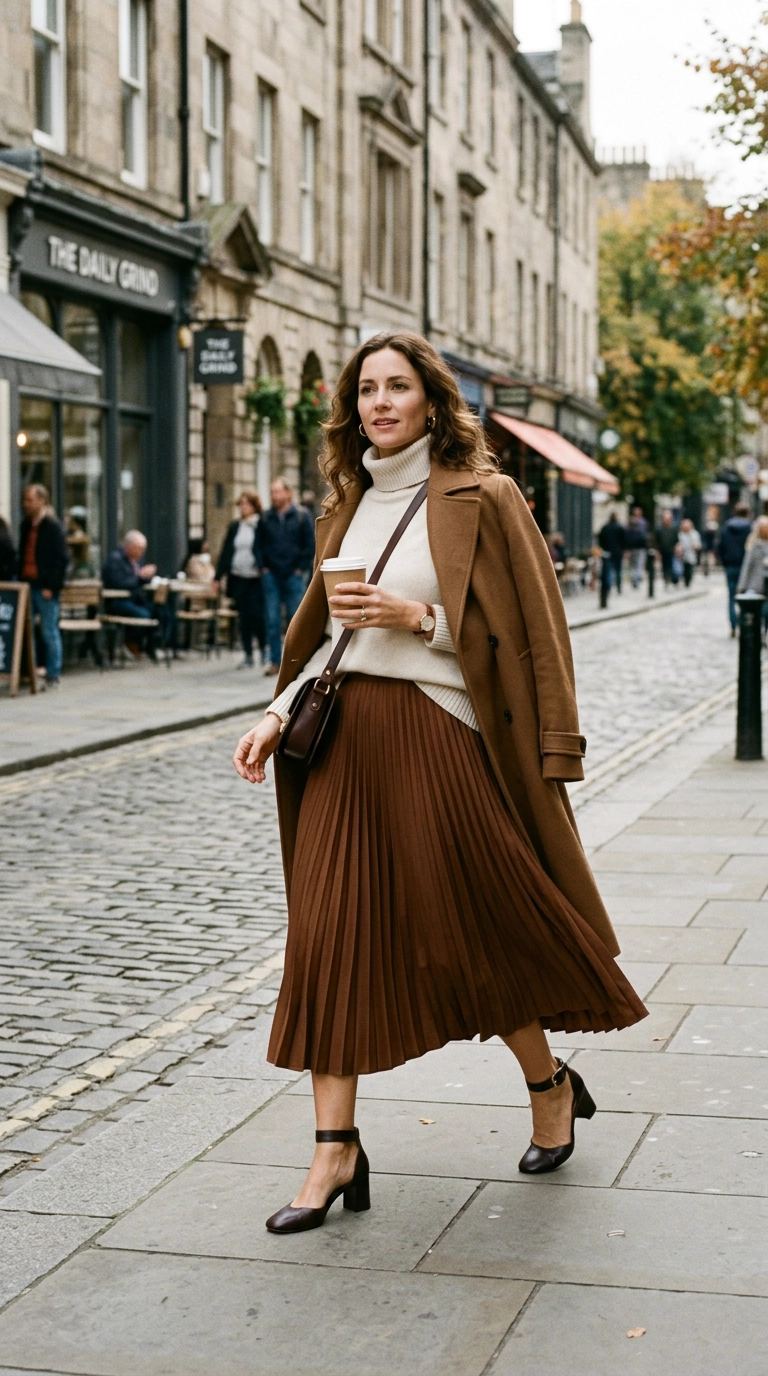
The most common mistake with midi skirts is allowing the hem to land exactly at the widest part of your calf muscle. This creates a horizontal line across the thickest part of your leg, making your lower body appear wider and shorter than it actually is.
To fix this, ensure your midi skirts end either just below the knee where the leg narrows or just above the ankle bone. By highlighting the slimmer parts of your leg, you create an illusion of length and grace that feels much more balanced.
If you have a skirt that hits the wrong spot, take it to a tailor for a minor adjustment. Shortening a skirt by just two inches can completely change how your legs look in photos and in person.
2. The Ankle-Bootie Skin Gap
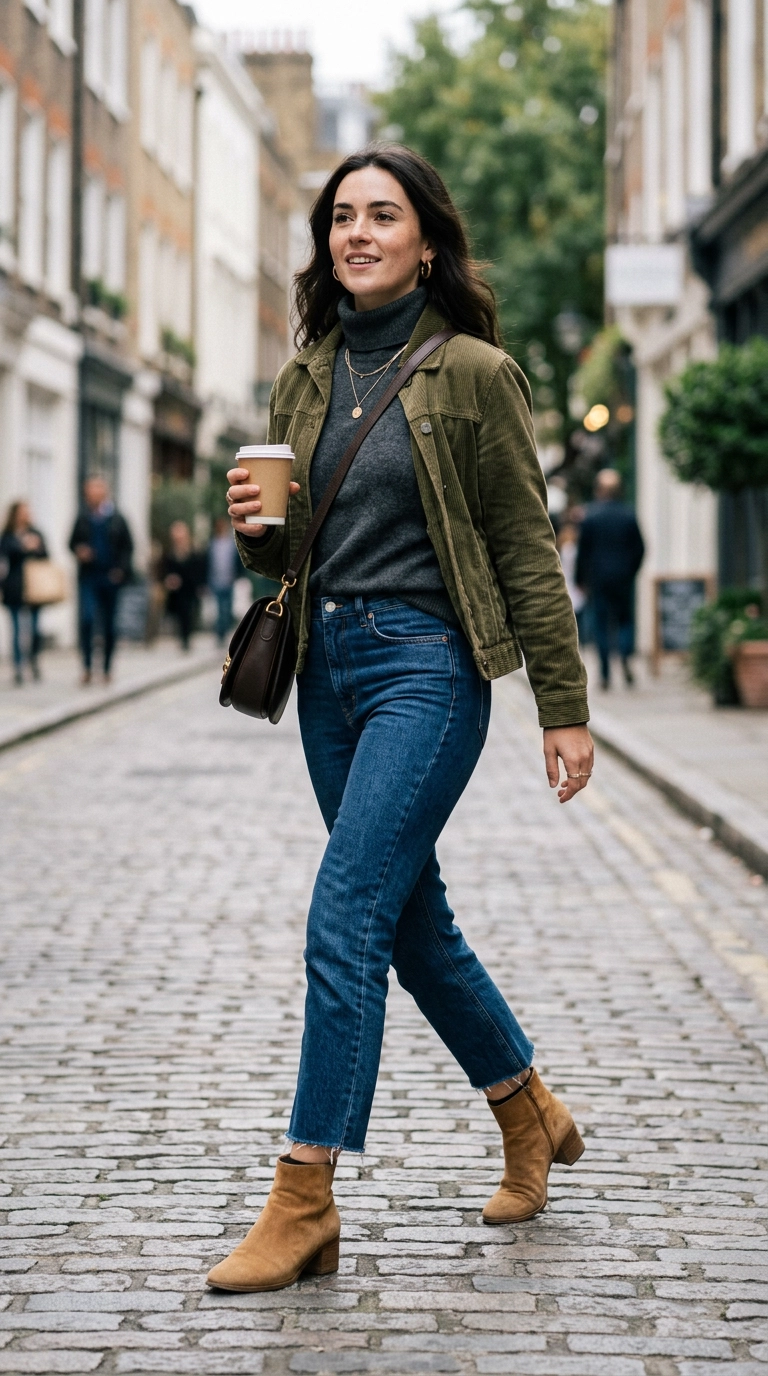
When your trousers are slightly too short and your boots are slightly too low, you end up with a “stray” patch of skin at the ankle. This creates three distinct visual blocks—pant, skin, boot—which stutters the visual flow and breaks your vertical line.
The fix is to ensure your hem either covers the top of the boot or leaves a deliberate, significant space for a tall sock or bare leg. For a modern look, choose boots with a higher, slimmer shaft that disappears up into the trouser leg.
This seamless transition allows the eye to travel from your waist to your toes without interruption. It is a simple trick that fashion editors use to look taller without needing six-inch heels.
Recommended Hem and Boot Pairings
| Trouser Type | Best Boot Style | Hem Goal |
|---|---|---|
| Straight Leg Jeans | Sock Boot / Slim Shaft | Hem covers 1 inch of boot |
| Wide Leg Trousers | Pointed Toe Boot | Hem sits 0.5 inches off floor |
| Cropped Flares | Tight Ankle Boot | No skin showing |
3. The “Puddling” Wide-Leg Pant
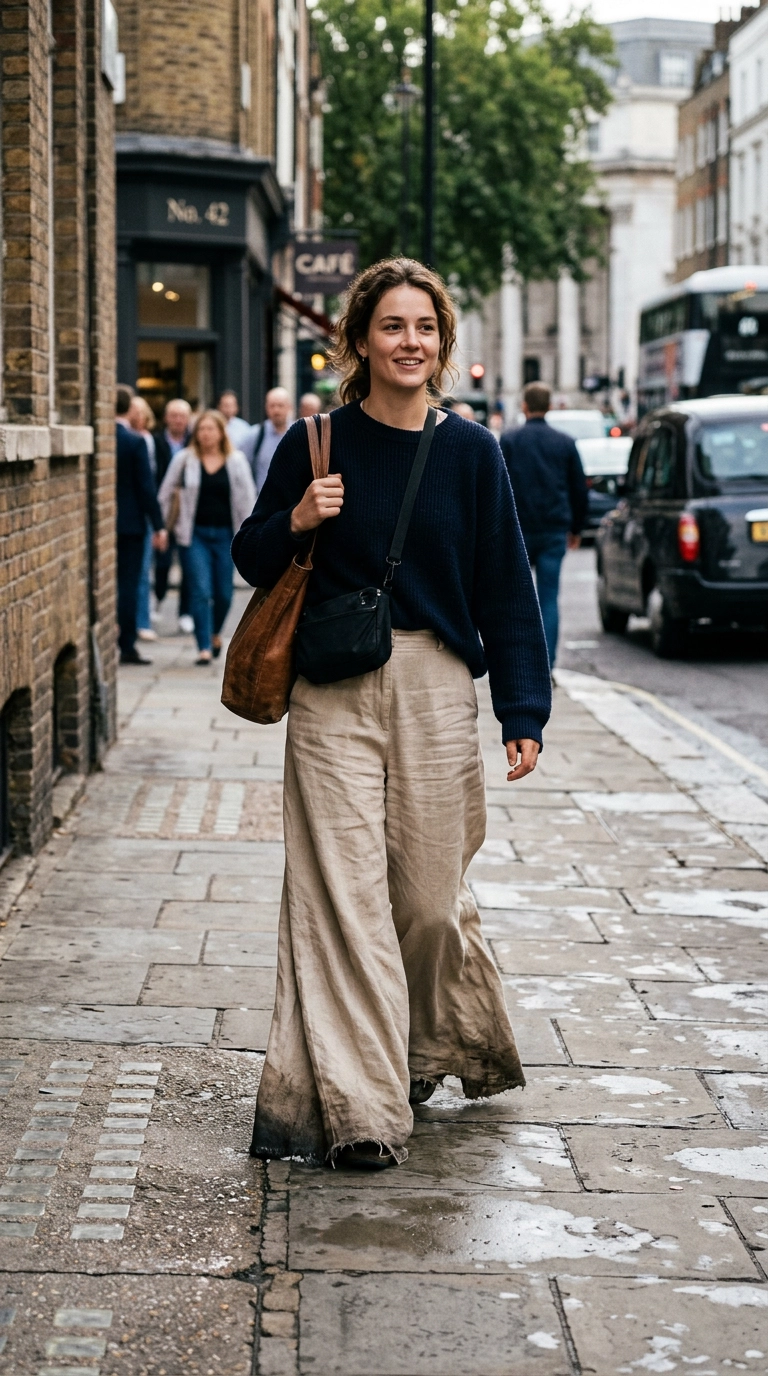
Wide-leg trousers are incredibly chic, but letting them puddle and drag on the floor looks messy rather than intentional. When the fabric folds excessively at the bottom, it adds visual weight to your feet and makes the outfit look like it doesn’t fit.
Your wide-leg trousers should “kiss” the floor, staying about half an inch above the ground when you are wearing your chosen shoes. This maintains a clean, straight line from the hip down to the toe, maximizing the lengthening effect of the wide-leg cut.
Remember that you cannot use the same wide-leg pants for flats and heels unless you are okay with one look being slightly off. Commit to a specific shoe height for each pair of trousers in your wardrobe for the best results.
4. The Knee-Length Pencil Skirt Trap
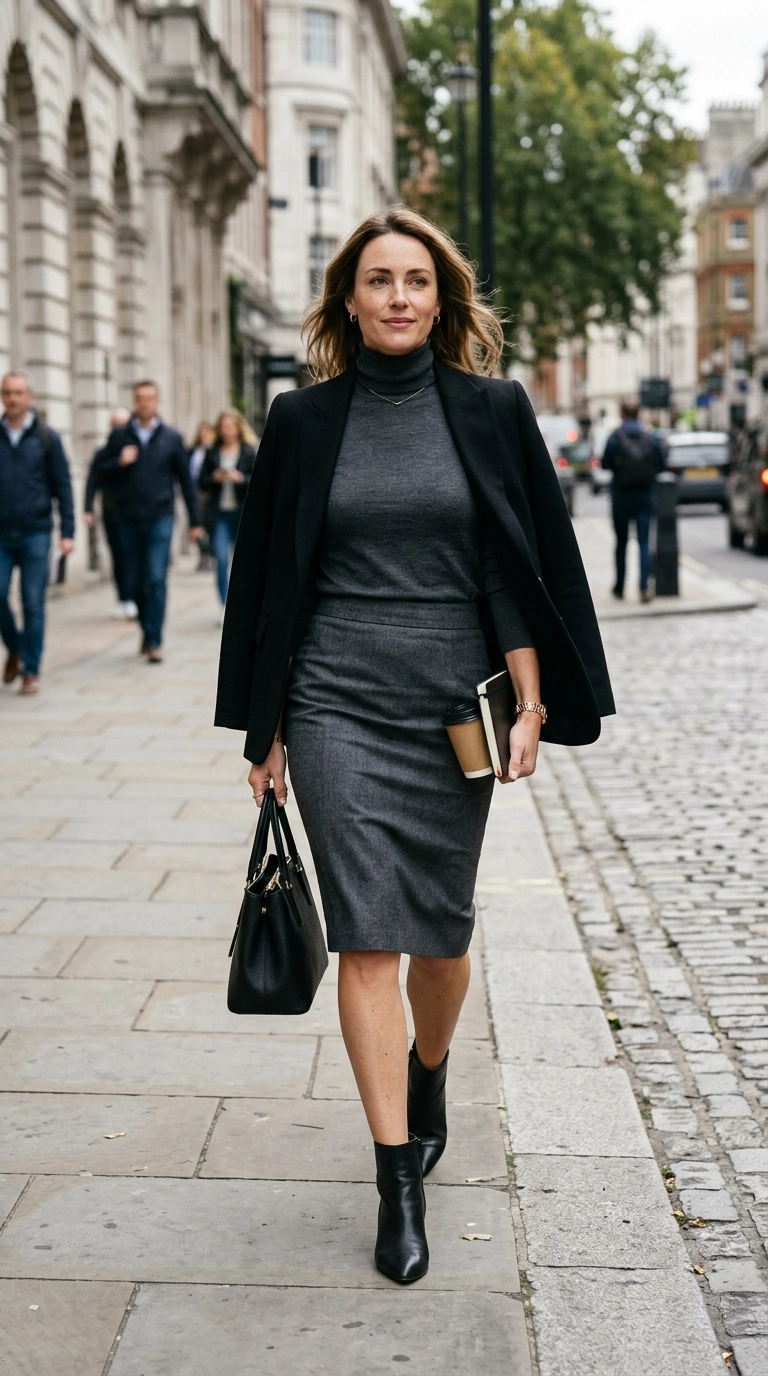
Ending a skirt exactly at the middle of the kneecap is a dated look that rarely flatters the leg. The knee is a joint with a lot of visual texture, and drawing a hard horizontal line right across it can look awkward and boxy.
For a sophisticated silhouette, your pencil skirts should either end two inches above the knee or two inches below it. Ending above the knee shows off the curve of the leg, while ending below it creates a sleek, modest line that tapers toward the calf.
This subtle shift moves the focal point away from the joint and toward the smoother lines of your thighs or shins. It immediately makes a corporate outfit look like high-end fashion.
5. The Oversized Jacket and Tunic Clash
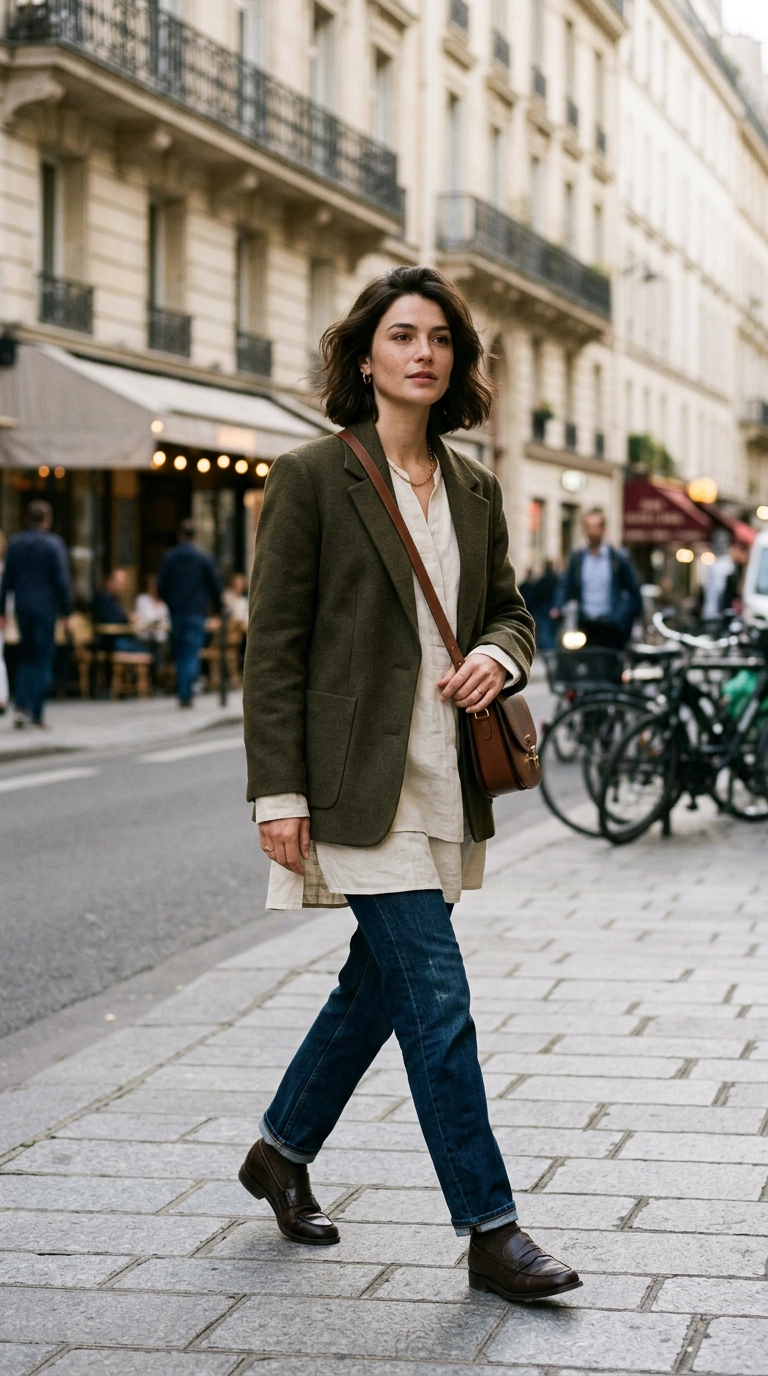
When your inner layer (like a tunic or long shirt) is longer than your outer layer (like a blazer or leather jacket), you create a “staircase” effect. This adds bulk to the hip area and can make your torso look unusually long and your legs look short.
The golden rule for layering is to keep the hemlines relatively close or ensure the outer layer is the longer one. If you are wearing a long shirt, consider a half-tuck to break up the line at the waist rather than at the mid-thigh.
By controlling where these layers end, you direct the viewer’s eye to your natural waistline. This preserves your proportions and prevents the “frumpy” feeling that comes from too many competing horizontal lines.
6. The Mini Skirt and Flat Shoe Mismatch
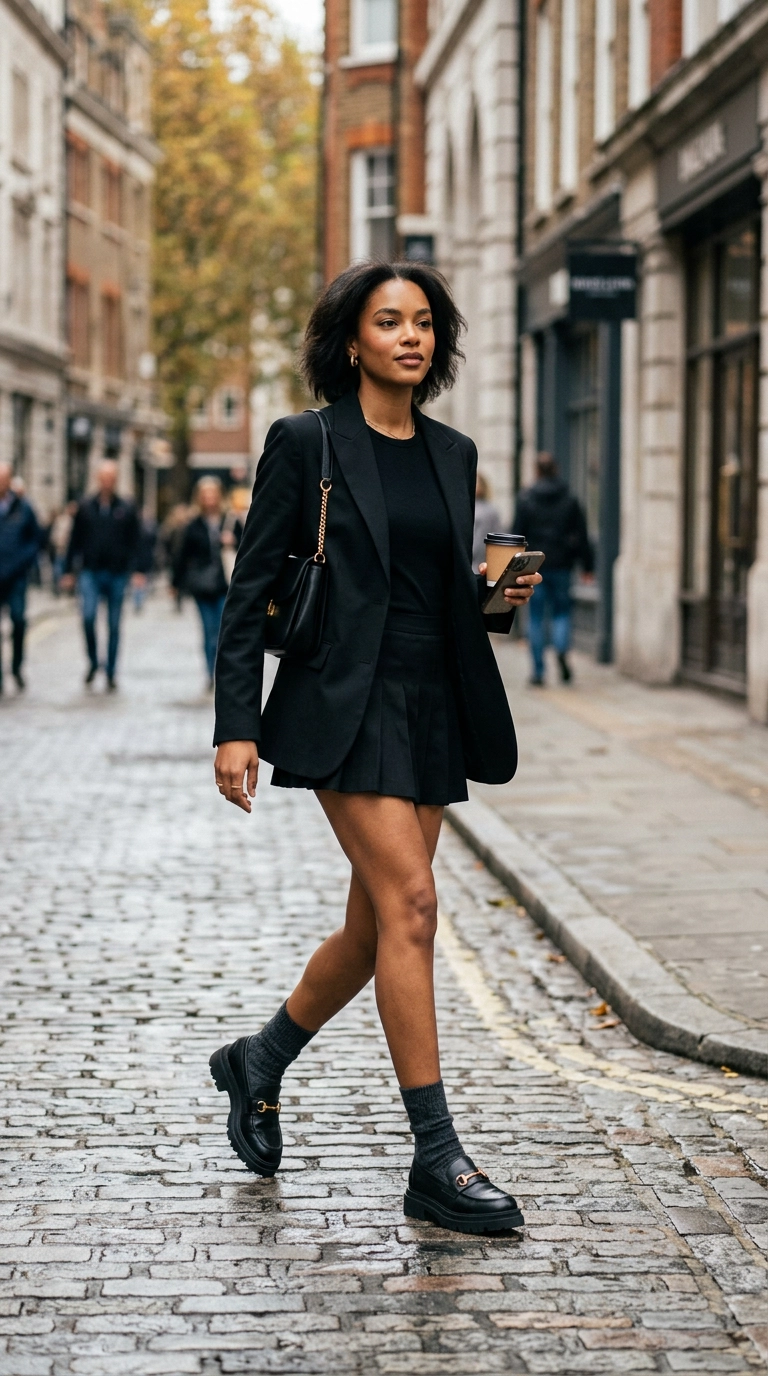
Mini skirts are great for showing off legs, but the hemline needs to work with your footwear to avoid looking bottom-heavy. A very short hemline paired with a very heavy, flat shoe can make the legs look shorter than they actually are.
If you are wearing a mini skirt with flats, try a shoe with a pointed toe or a slight nude-toned d’Orsay cut to extend the visual line of the foot. Alternatively, if you love a chunky loafer, ensure the mini skirt is high-waisted to pull the eye upward.
Balancing the “visual weight” of the hemline with the “visual weight” of the shoe is key. The more leg you show at the top, the more streamlined you want the shoe to be at the bottom.
- Avoid ankle straps with minis if you want to look taller.
- Use monochromatic shoes and tights to extend the leg line.
- Ensure the skirt hem follows the “fingertip rule” for a balanced proportion.
7. The Dropped-Hem Maxi Drag
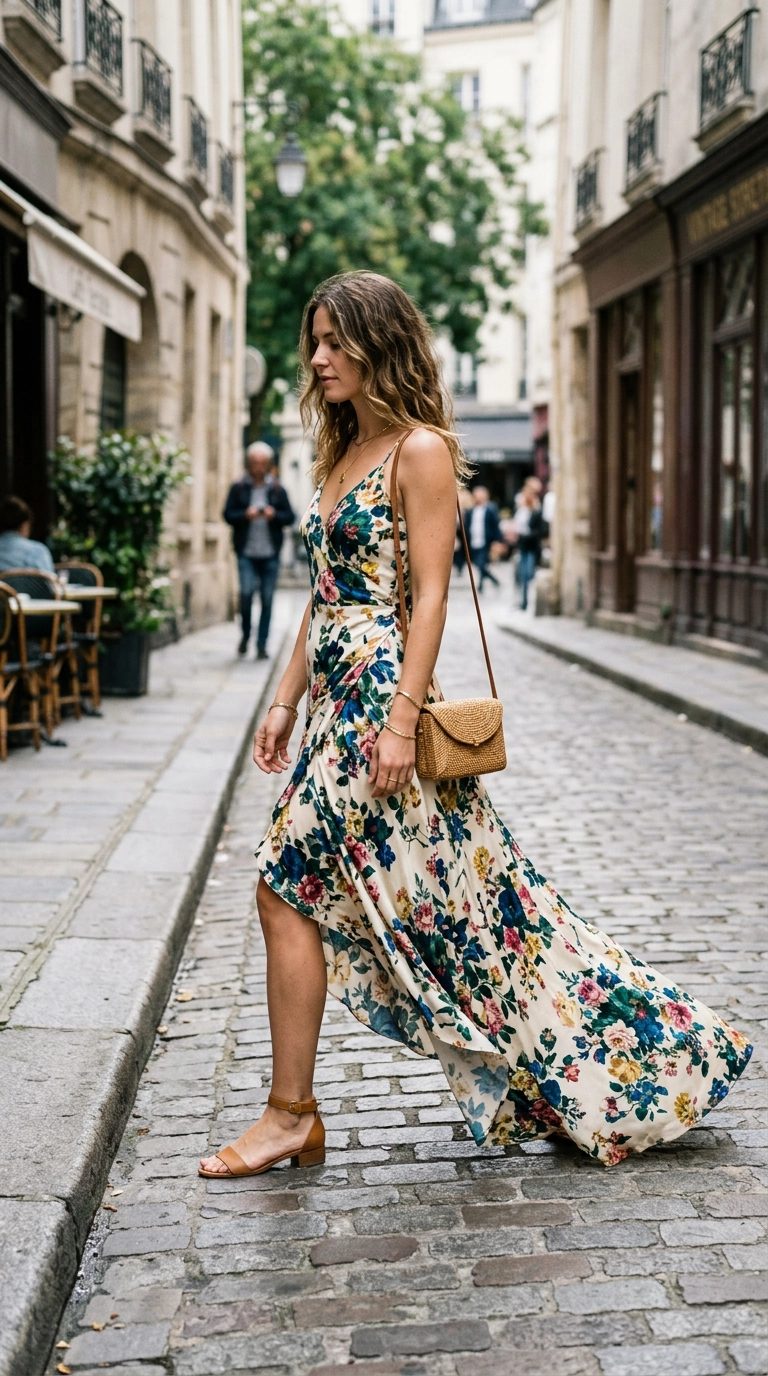
Maxi dresses that are too long don’t just pick up dirt; they weigh down your entire frame. When a hemline is consistently bunching on the floor, it creates a “heavy” base that pulls the viewer’s gaze downward, making you look shorter.
A perfect maxi hem should hover just a quarter-inch off the floor, allowing for movement without the fabric folding over itself. This creates a column of color that is incredibly slimming and elegant.
If you find a maxi you love that is too long, don’t just “wear a higher heel.” Get it hemmed to your most-worn shoe height. The difference in how you carry yourself when you aren’t worried about tripping is noticeable to everyone around you.
Quick Silhouette Fixes
- The Tucking Rule: If your top ends at the widest part of your hips, tuck it in to raise the visual hemline to your waist.
- The Side Slit: Use side slits on long skirts to break up a heavy hemline and show a vertical sliver of skin.
- The Tailor’s Touch: Never assume “off the rack” hemlines are correct for your specific height.
Common Hemline Questions
Should my trousers touch the floor?
Ideally, no. They should be about half an inch from the ground to avoid damage and maintain a crisp, clean silhouette.
What is the most universally flattering skirt length?
Most stylists agree that hitting just above or just below the knee is the most flattering spot for the majority of body types.
Can I wear ankle boots with skirts?
Yes, but try to avoid boots that cut off right at the widest part of your ankle. Look for a slim-fitting shaft that tucks under the hem or leave enough leg room to show the narrowest part of your shin.
Mastering your hemlines is the fastest way to look like you have a custom-tailored wardrobe without spending a fortune on new clothes. Pay attention to where your clothes end today, make those small adjustments, and watch how your entire silhouette instantly transforms into something more polished and powerful.