10 Common Fashion Mistakes Women Make Sizing Their Clothes

Most women spend years fighting their own wardrobes because they prioritize a number on a label over the way fabric actually hits their skin. You might find yourself tugging at waistbands or smoothing out ripples in your blazer, wondering why your outfit feels “off” despite following every trend. This subtle discomfort ruins your confidence and makes even the most expensive designer pieces look messy.
Correcting your sizing habits is the fastest way to make your current wardrobe look ten times more expensive without spending a penny on new clothes. When you master how a garment should truly sit on your frame, you eliminate the visual clutter that distracts from your personal style. Understanding these nuances allows you to shop with intention and wear every piece with effortless grace.
We are going to break down the specific mistakes that keep your silhouette from looking its best. From the physics of fabric to the psychology of the dressing room, these adjustments will change how you view every item in your closet. Prepare to see your reflection in a completely new light.
1. Letting a Vanity Label Dictate Your Choice
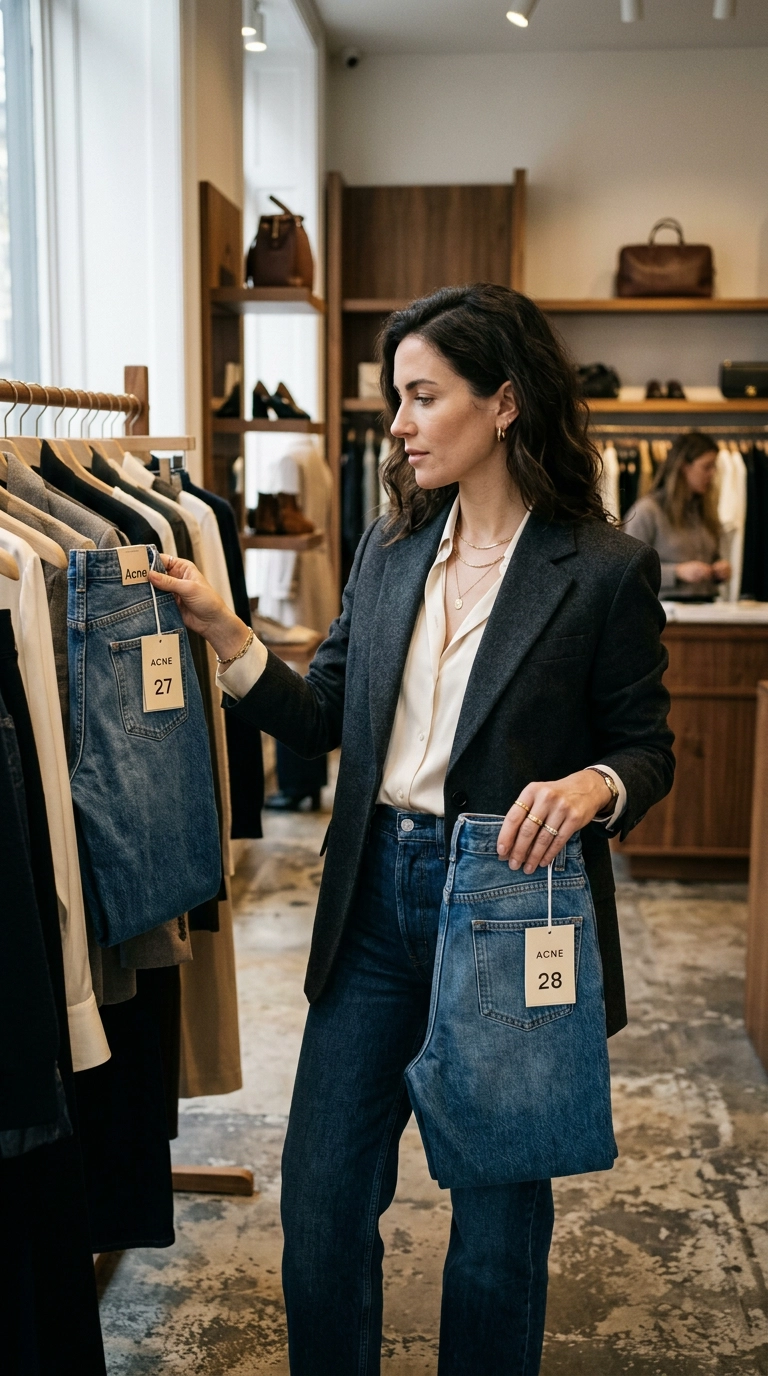
The most common mistake is becoming emotionally attached to a specific size number regardless of the brand or cut. Sizing is completely inconsistent across the industry, meaning you could be a size 4 in one store and a size 10 in another. When you force yourself into a smaller size out of habit, the fabric pulls and distorts your natural shape.
Focus entirely on how the garment feels against your body rather than the digit printed on the tag. If a larger size drapes better and allows for movement, that is your true size for that specific piece. Professional stylists always prioritize the silhouette over the label because a perfect fit is what creates a high-end look.
2. Misjudging the Shoulder Seam Alignment

The shoulders are the most critical point of any structured garment like a blazer, coat, or button-down shirt. If the shoulder seam hangs past your natural shoulder bone, the piece is too large and makes your frame look slumped. Conversely, if the seam pulls toward your neck, the garment is too small and will restrict your arm movement.
Always check that the vertical seam sits exactly where your shoulder ends and your arm begins. This alignment creates a crisp, intentional line that defines your upper body and provides structure to the rest of the outfit. Shoulders are notoriously difficult and expensive to tailor, so getting this right in the store is essential.
3. Over-Relying on Stretch Fabrics to Mask Poor Fit
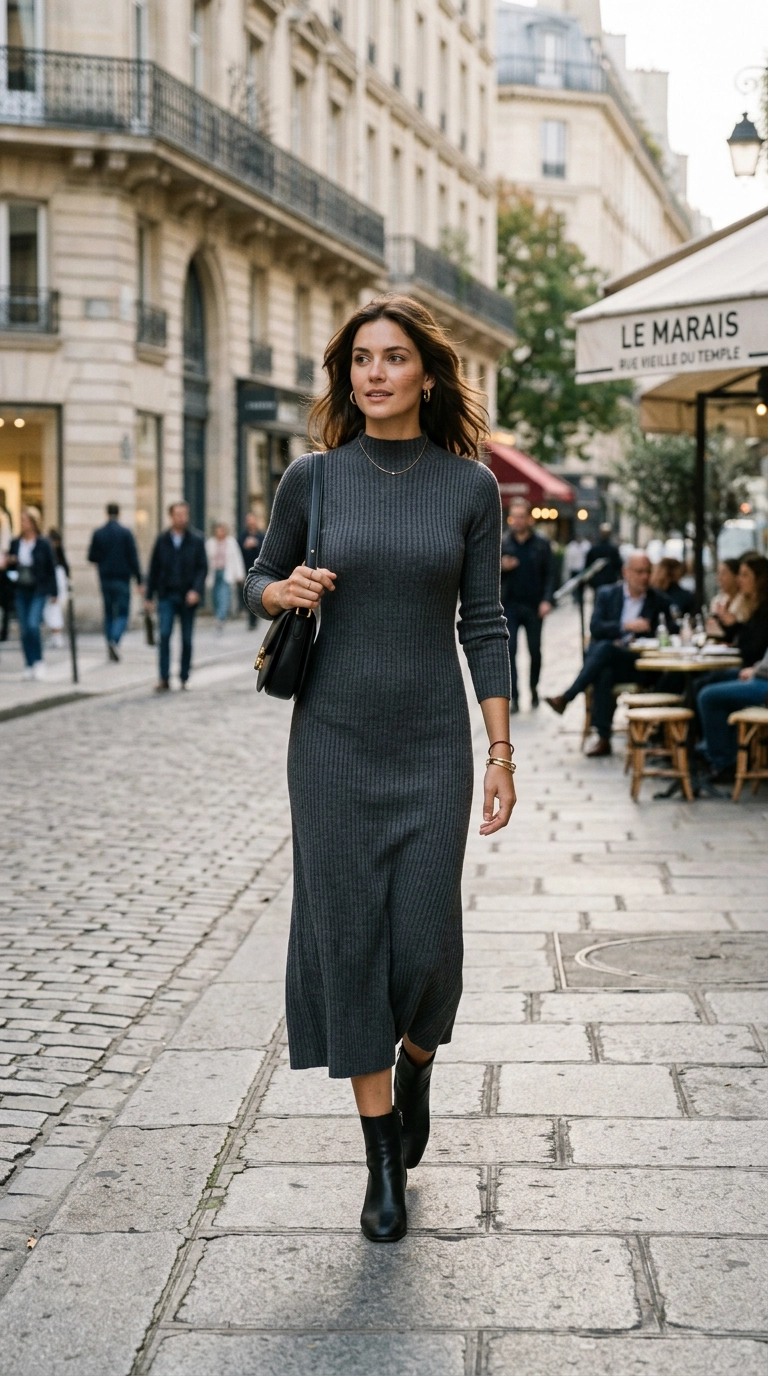
Many women size down in items with high spandex content, assuming the stretch will compensate for a smaller cut. While the fabric might expand to fit your body, it often becomes translucent or loses its structural integrity when overstretched. This leads to visible panty lines and a strained appearance that looks cheap.
Choose your size based on how the fabric looks when it is relaxed, not how far it can stretch. High-quality stretch fabrics should skim your curves without creating horizontal tension lines across the hips or chest. If you see the fabric pulling or the weave opening up, you need to go up one size for a more polished finish.
4. Ignoring the Looming Threat of Fabric Shrinkage
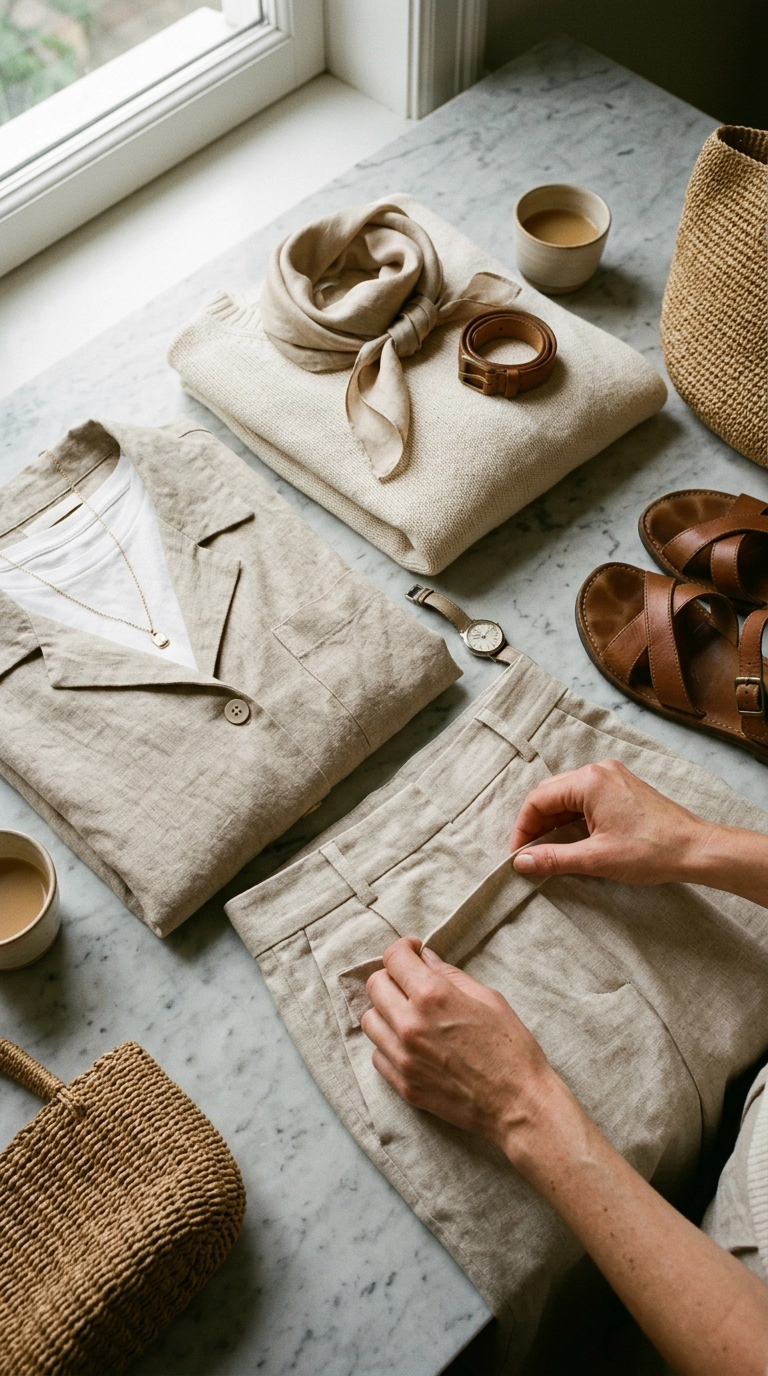
Natural fibers like cotton, linen, and wool will almost always contract after their first professional cleaning or wash. Buying a garment that fits “perfectly” (or slightly tight) in the fitting room is a recipe for a piece that will be unwearable after one wash. This is especially true for denim and high-quality t-shirts.
When purchasing natural fibers, aim for a slightly relaxed fit to account for a 3% to 5% shrinkage rate. If you are between sizes in a cotton poplin shirt, always choose the larger option to ensure the sleeves and torso remain the correct length. It is better to have a slightly roomy shirt than one that becomes a crop top after a trip to the dry cleaners.
5. Purchasing for a Hypothetical Future Body

Buying “goal” clothes that are one or two sizes too small is a psychological trap that clutters your closet with guilt. These items rarely fit correctly even if you reach your target weight because weight loss happens differently for everyone. You deserve to look incredible in the body you have right now, not a version that might exist in six months.
Invest in clothes that celebrate your current measurements to boost your daily mood and style presence. Wearing clothes that fit properly today makes you look leaner and more put-together than squeezing into something too small. If your size changes later, a skilled tailor can easily take garments in, which is much easier than letting them out.
6. Failing the Dynamic “Sit and Move” Test
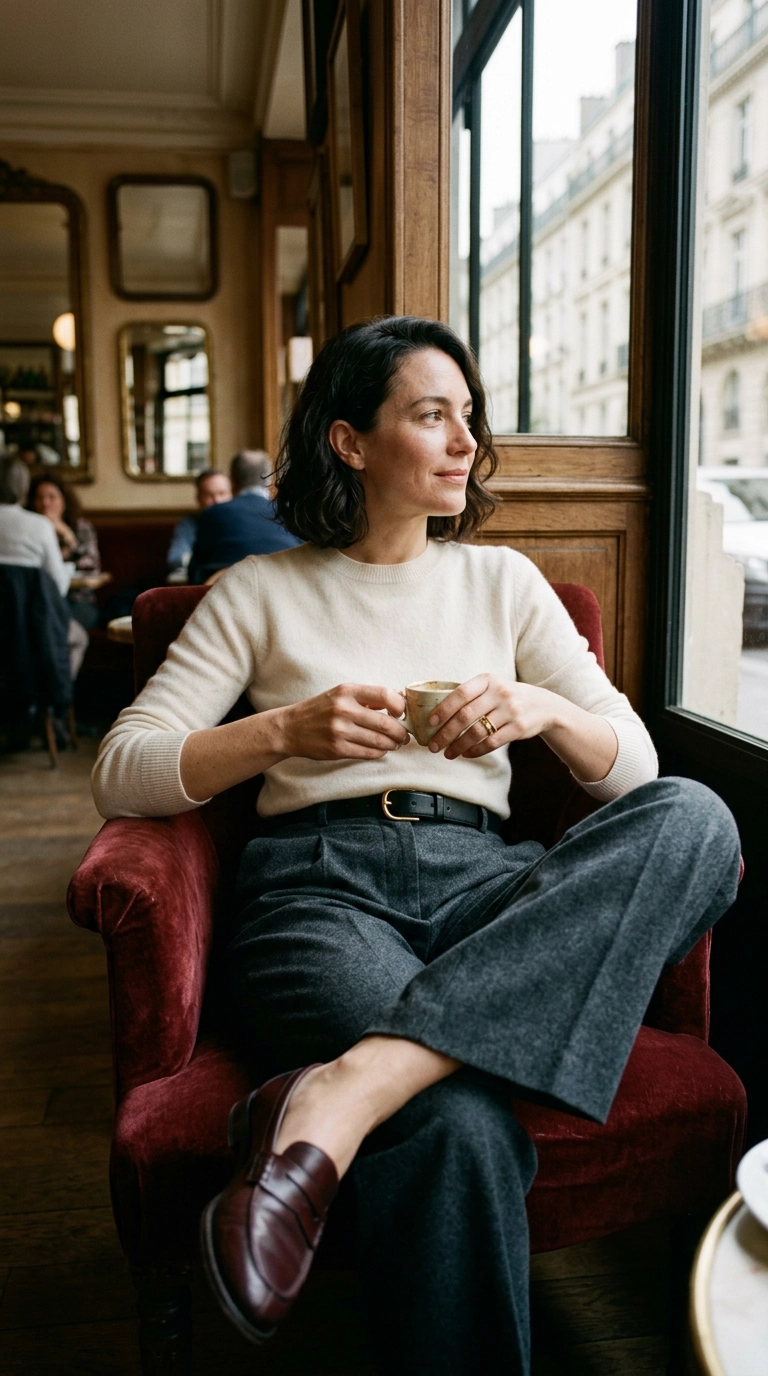
We often stand perfectly still and upright in front of fitting room mirrors, which is not how we exist in the real world. A pair of trousers might look great while standing but become painfully tight or gap at the back when you sit down. If you can’t comfortably sit, reach, or walk in a garment, the size is wrong.
Always perform a few basic movements before committing to a purchase. Sit down in a chair, raise your arms to check for pulling in the back, and take a few large steps. This ensures the garment moves with you throughout the day rather than fighting against your natural rhythm.
Common Movement Checks
- Sit down to check for waistband pinching or “muffin top” effects.
- Raise your arms horizontally to see if the sleeves are too short or tight.
- Bend over slightly to ensure the neckline and hemline remain modest.
- Cross your legs to check for tension in the thighs of trousers or skirts.
7. Neglecting the Volume of Undergarments

The foundation you wear underneath your clothes significantly impacts how the outer layer fits and drapes. Trying on a slim-fit dress while wearing a bulky sports bra or thick lace underwear will give you a false sense of how the garment fits. Many women buy a size too large because they are compensating for the bulk of their undergarments.
Try on clothes with the specific undergarments you plan to wear with that outfit. If you are shopping for an evening gown, bring your shapewear; if you are buying a silk blouse, wear a seamless nude bra. This precision ensures the outer fabric lays flat and the proportions remain exactly as intended.
8. Sizing Based on Only One Body Proportion
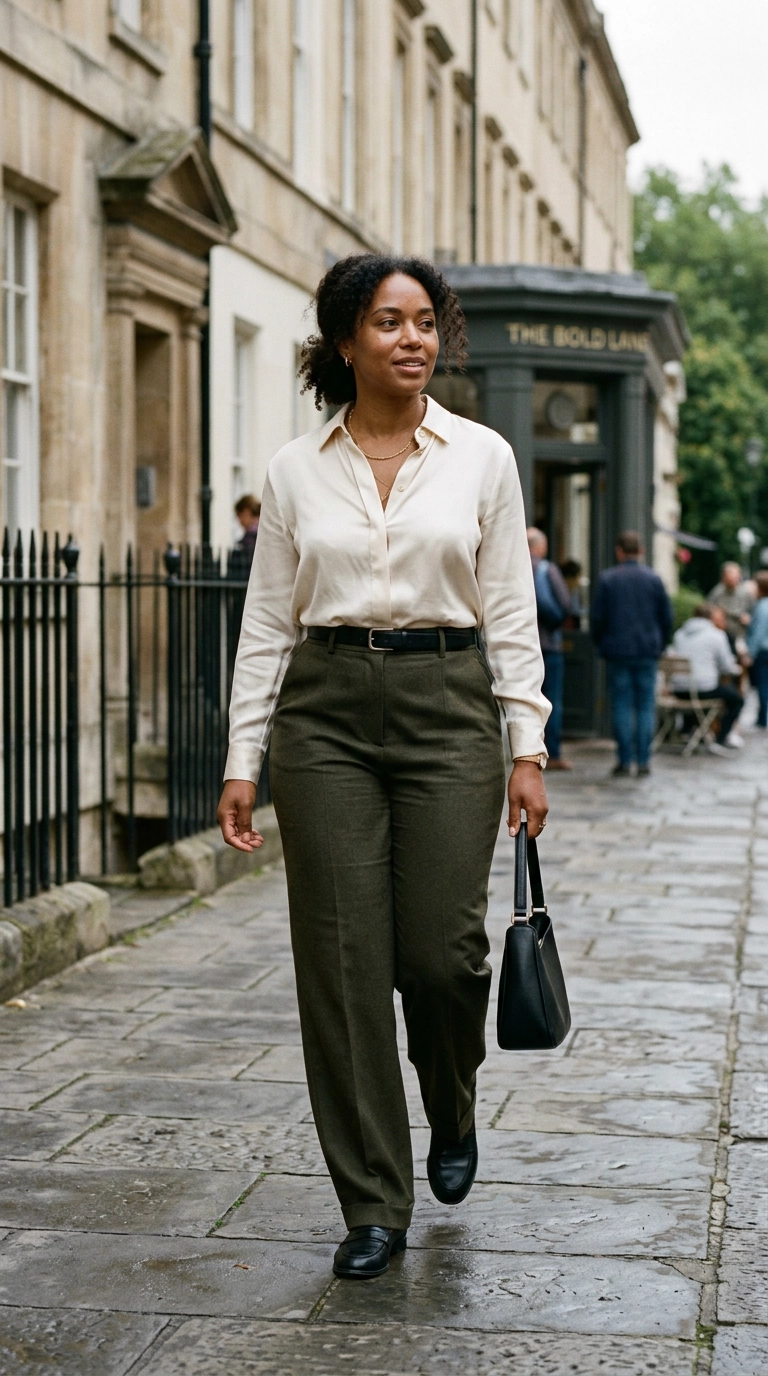
Most bodies do not fit a standard size chart perfectly because we are all a mix of different proportions. A common mistake is buying a size that fits your waist but is far too tight across your hips, or vice-versa. This creates a “tug-of-war” effect on the fabric that ruins the vertical lines of your outfit.
Always buy for your widest measurement first. If your hips are a size 12 but your waist is a size 8, buy the 12 and have the waist taken in by a professional. This table shows how to prioritize fit based on your specific body type:
| Body Feature | Primary Sizing Focus | Alteration Priority |
|---|---|---|
| Broad Shoulders | Shoulder Seam Width | Waist Tapering |
| Curvy Hips | Hip and Seat Room | Waist Cinching |
| Large Bust | Chest and Back Width | Hem and Sleeve Length |
| Petite Frame | Torso Length | Overall Shortening |
9. Fearing the Tailor and Settling for “Close Enough”
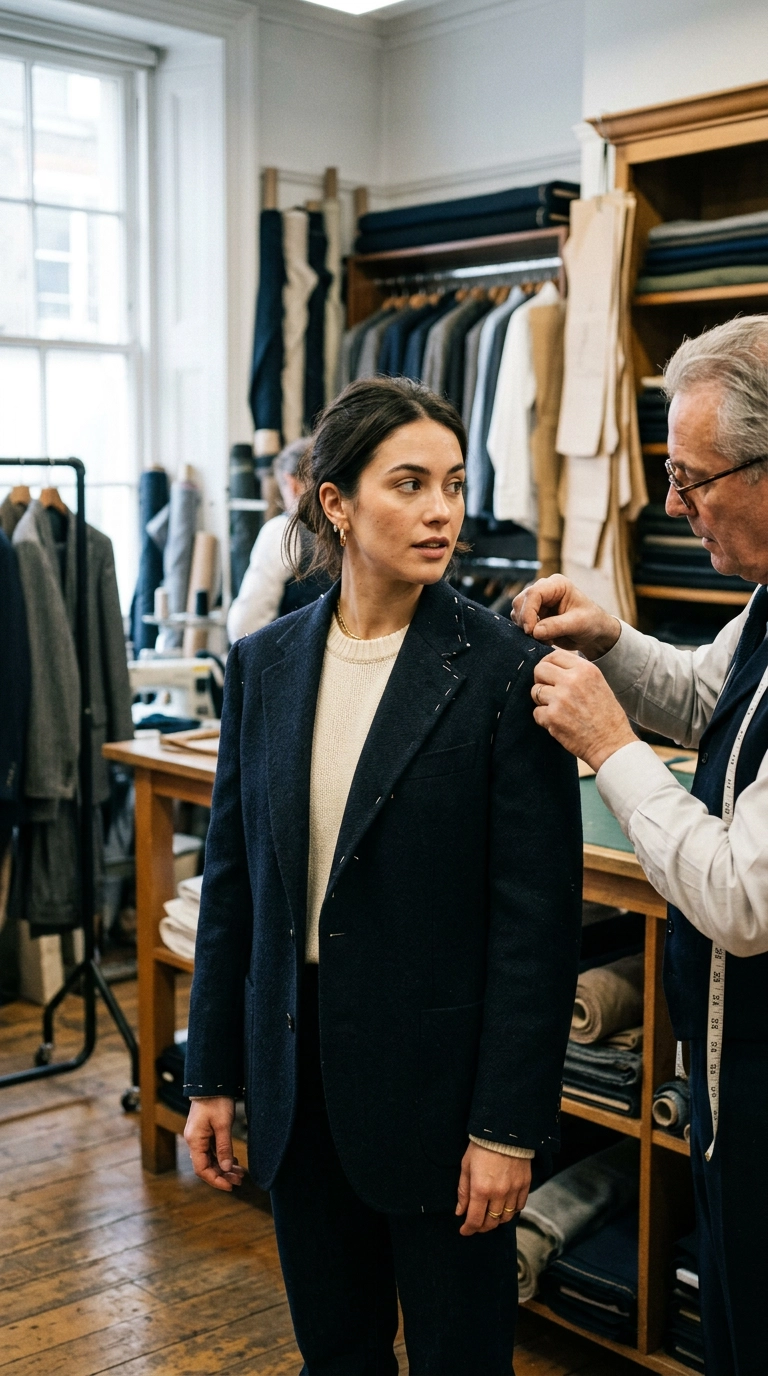
Many women avoid buying the correct (larger) size because they don’t want to deal with the extra step of tailoring. They settle for a smaller size that “almost” fits but lacks the ease of movement required for true elegance. This “close enough” mentality is what makes a wardrobe feel unfinished and uncomfortable.
View the price of a garment as the “base cost” and the tailoring as the “finishing cost.” Buying a size up and having it sculpted to your specific curves creates a custom look that off-the-rack sizing can never replicate. A slightly larger garment with professional adjustments will always look more expensive than a tight garment that is technically the “right” size.
10. Forgetting to Check the Back View
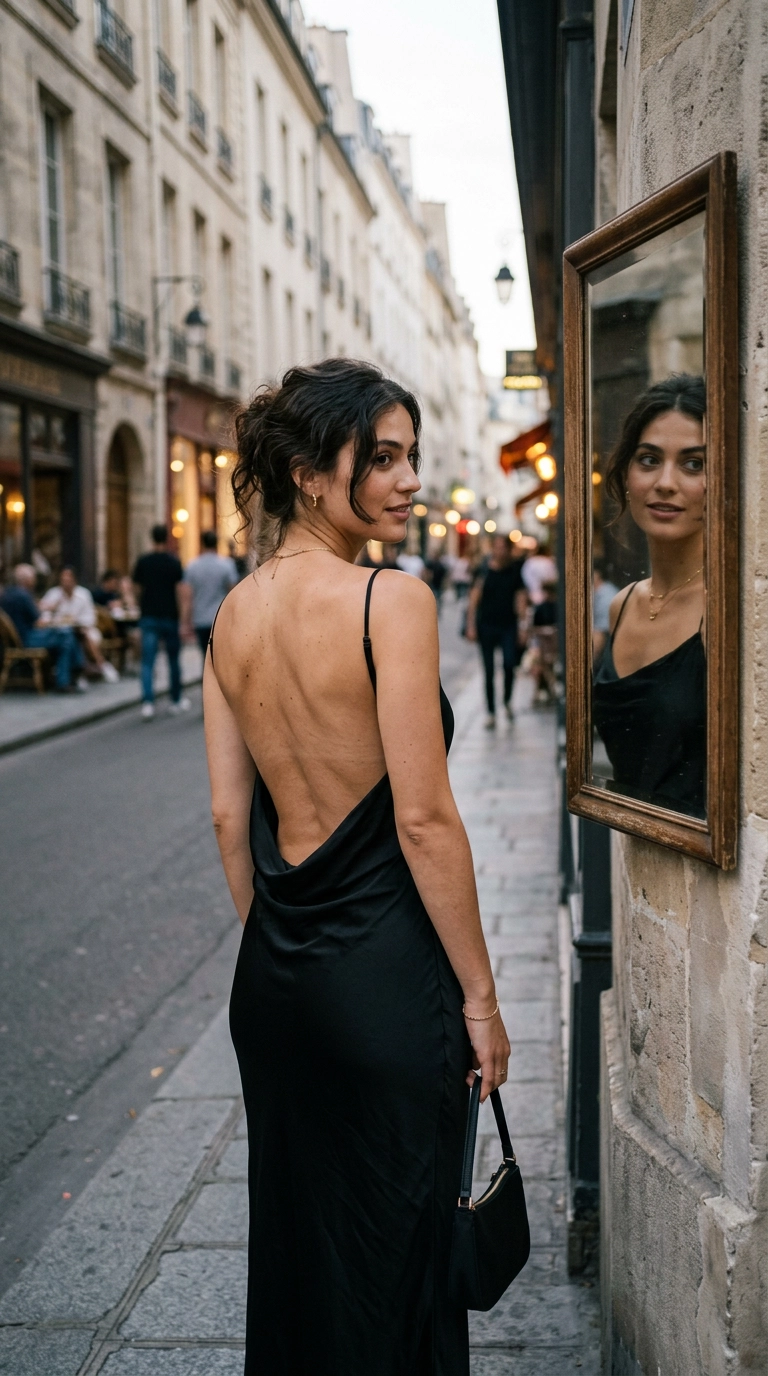
We live our lives in 360 degrees, yet we often only judge our clothes by what we see in a front-facing mirror. Sizing mistakes often hide in the back, such as “smile lines” under the glutes from tight trousers or gaping at the back of a waistband. If the back of your garment is straining, the front will never hang correctly.
Use a hand mirror or the multi-angled mirrors in fitting rooms to inspect the rear view thoroughly. Look for any pulling, bunching, or sagging that suggests the size or cut is not respecting your anatomy. A perfect fit looks just as intentional from behind as it does from the front, ensuring a cohesive and polished aesthetic.
Mastering your true size is an act of self-respect that translates into an undeniable presence. By moving away from the tyranny of the number on the tag and focusing on the physical reality of fit, you reclaim control over your image. Start applying these rules to your next shopping trip and watch as your style shifts from standard to spectacular.