Easy Frizzy Hair Tips for Men – Get Smooth Hair Instantly

Waking up with hair that feels more like a scouring pad than a polished style is a struggle many of us face every single morning. It does not matter if you have a tight fade or shoulder-length waves; humidity and dryness can turn your look into a frizzy mess before you even step outside. Managing this texture often feels like a losing battle against the weather and your own genetics.
You might think that smooth, sleek hair is reserved for guys who spend hours in a salon chair, but the truth is much simpler. Most frizz is just your hair crying out for moisture or protection from the elements, and fixing it requires a few smart adjustments rather than a total lifestyle overhaul. By understanding how your hair cuticle reacts to your environment, you can take control of your grooming routine.
This guide provides direct, actionable steps to tame the flyaways and get that high-end editorial finish in minutes. Let’s get your grooming routine sorted so you can stop fighting your hair and start enjoying how it looks in every mirror you pass. These methods work quickly and help you maintain a professional, sharp appearance regardless of your hair type.
Immediate Fixes for Frizz-Free Hair
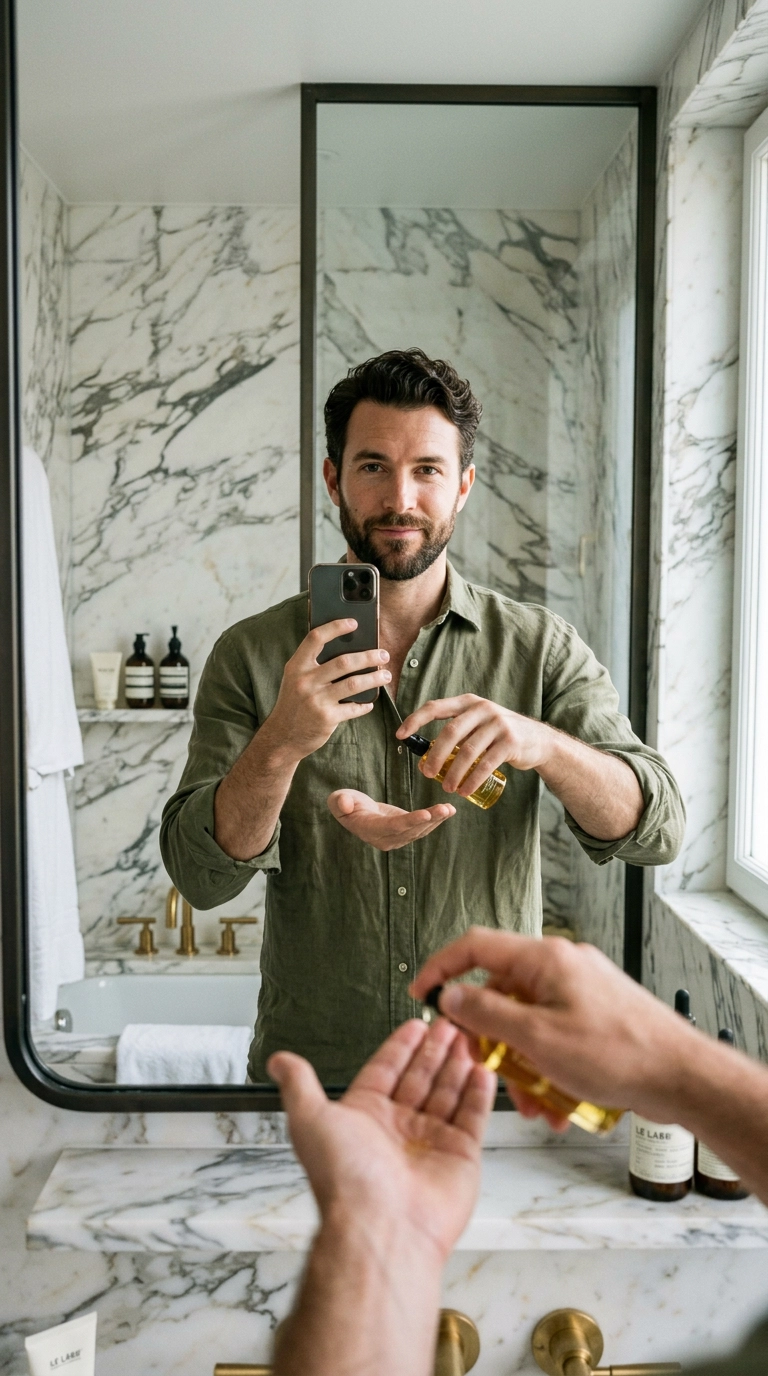
If you are standing in front of the mirror right now with hair that looks like a static cloud, you need a quick solution. The fastest way to smooth down the hair cuticle is to use a tiny amount of hair oil or a water-based grooming cream. Rub a pea-sized amount between your palms until they feel warm, then lightly glaze over the surface of your hair without pressing too hard into the roots.
Avoid using heavy gels or high-alcohol hairsprays when you are in a rush to fix frizz. These products often dry out the hair shaft, making the problem worse once the initial moisture evaporates. Instead, look for products containing argan oil or jojoba oil, which mimic the natural sebum produced by your scalp. This provides an instant weight that pulls the frizz down without looking greasy.
Another instant trick is the “cold water snap.” If you have a few minutes, lightly dampen your hands with cold water and run them through your hair. Cold temperatures help the cuticle scales lie flat against the hair shaft, which reflects more light and creates a smoother appearance. It is a simple physics trick that costs nothing and works in seconds.
The Power of Microfiber
Most men reach for a standard cotton bath towel and scrub their heads vigorously as soon as they hop out of the shower. This is the primary cause of frizz for many guys. The rough loops of a standard towel act like sandpaper on your hair, lifting the cuticle and creating mechanical damage that shows up as frizz once the hair dries.
Switching to a microfiber towel or even an old 100% cotton T-shirt makes a massive difference. Instead of rubbing, gently pat your hair or wrap it for a few minutes to let the fabric soak up the moisture. This preserves the natural pattern of your hair and keeps the surface smooth, reducing the need for heavy styling products later on.
Mastering the Washing Routine

Smooth hair starts in the shower, not at the styling bench. Many men over-wash their hair, stripping away the essential oils that keep the strands flexible and flat. If you are washing with a harsh shampoo every single day, you are essentially inviting frizz to take over. Try reducing your shampoo frequency to two or three times a week.
When you do wash, use a sulfate-free shampoo. Sulfates are heavy-duty detergents that create a lot of foam but are incredibly drying. Replacing them with a hydrating cleanser ensures that your hair retains its internal moisture. Think of your shampoo as a tool to clean your scalp, not your entire hair length; focus the product on the skin and let the suds rinse through the ends.
Conditioner is not optional if you want smooth hair. Even if you have short hair, a lightweight conditioner helps seal the cuticle after the shampoo has opened it. Apply it mainly to the ends of your hair, leave it for a minute, and then rinse thoroughly. This simple step provides a protective layer that keeps humidity from entering the hair shaft throughout the day.
The Cold Rinse Technique
While a hot shower feels great, it is terrible for hair smoothness. High heat opens the hair cuticle, making it porous and prone to tangling. Before you step out of the shower, turn the temperature down as low as you can stand for a final thirty-second rinse. This “locks” the conditioner in and ensures the hair surface is as flat as possible before you begin drying.
Essential Products for Texture Control

Choosing the right products depends on your specific hair density and length. Not all “smoothing” products are created equal, and using the wrong one can leave your hair looking flat or weighed down. You want to aim for a balance between moisture and hold. Below is a breakdown of how different products handle frizz.
| Product Type | Best For | Result |
|---|---|---|
| Hair Oil (Argan/Jojoba) | Thick, coarse, or curly hair | High shine, deep moisture, no hold |
| Grooming Cream | Medium length, wavy hair | Natural finish, light control, soft feel |
| Leave-in Conditioner | Fine hair prone to tangles | Weightless hydration, easy detangling |
| Matte Clay | Short, messy styles | High hold, textured look, absorbs excess oil |
For most men, a grooming cream is the most versatile option. It provides enough weight to keep flyaways down while allowing the hair to move naturally. If you have particularly stubborn frizz in high humidity, a small drop of serum containing silicone can provide a waterproof barrier. Just be sure to use a clarifying shampoo once a week if you use silicones to prevent buildup.
How to Apply Product Correctly
The biggest mistake is applying product only to the top of your head. This leaves the underside and sides frizzy while the top looks greasy. Instead, start at the back of your head and work the product forward. This ensures the bulk of the product is distributed evenly through the denser parts of your hair first, giving you a more balanced and natural appearance.
Protecting Your Hair While You Sleep

Many men do all the right things during the day only to ruin their progress overnight. If you sleep on a standard cotton pillowcase, the friction between your hair and the fabric causes tangles and frizz while you toss and turn. Cotton also absorbs moisture, pulling the hydration out of your hair while you sleep.
The easiest fix is switching to a silk or satin pillowcase. These materials allow your hair to glide across the surface without snagging or ruffling the cuticle. You will wake up with hair that looks significantly closer to how it did when you went to bed. It is a small investment that pays off every single morning by cutting your styling time in half.
Additionally, if you have longer hair, applying a tiny bit of leave-in conditioner before bed can act as an overnight mask. This gives the product eight hours to soak into the hair shaft without the interference of wind, sun, or pollutants. You will notice a softer, more manageable texture the moment you wake up.
Hydration From the Inside
Your hair health is also a reflection of your overall hydration. If you are dehydrated, your body will prioritize vital organs over your hair, leading to brittle strands that are more likely to frizz. Drinking enough water throughout the day ensures that the hair follicle has the resources it needs to produce strong, healthy hair that can resist environmental stressors.
Professional Maintenance and Cuts
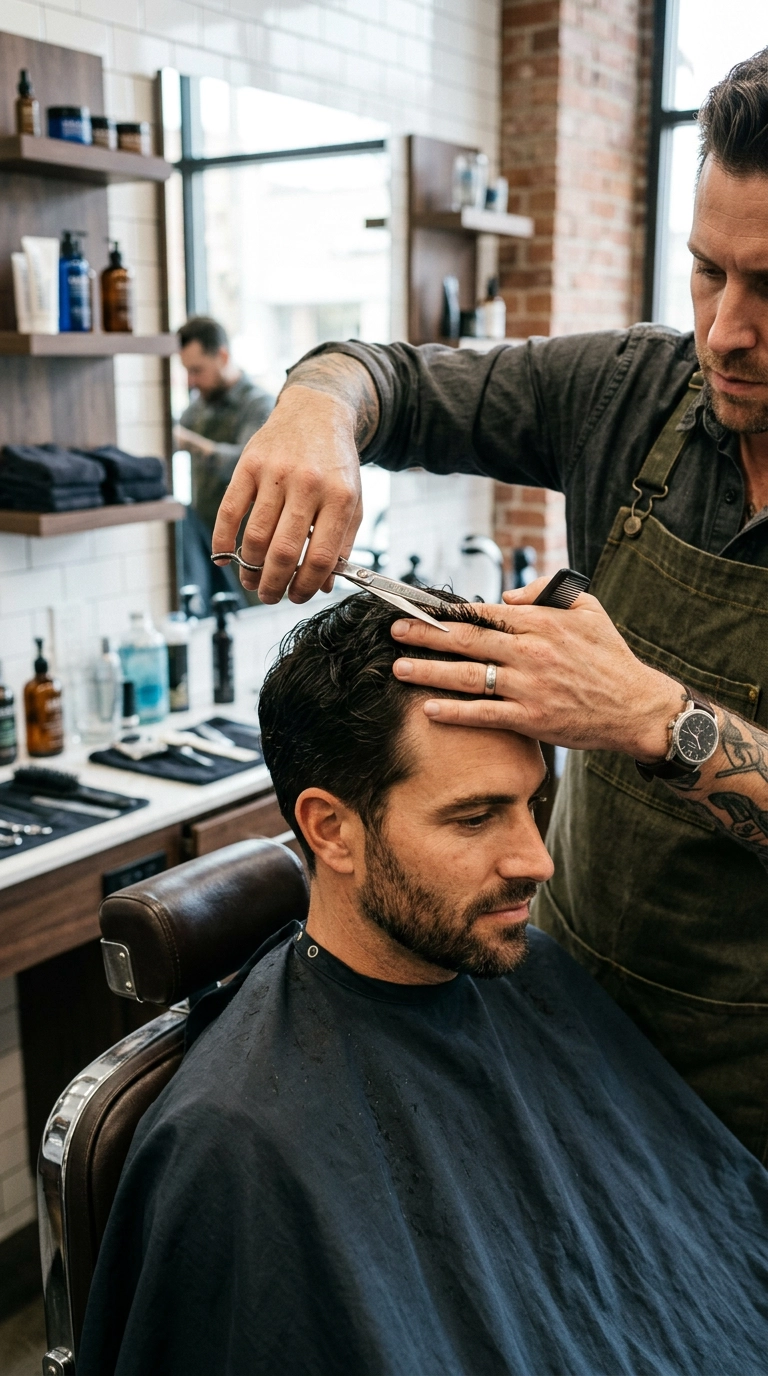
Sometimes frizz is not a moisture issue but a structural one. Split ends are a major contributor to a fuzzy appearance. When the end of the hair fiber splits, it travels up the shaft, causing the hair to look frayed and unkempt. Regular trims every four to six weeks are essential to remove these damaged ends and keep the hair looking sharp and healthy.
Talk to your barber about your frizz concerns. They can adjust their cutting technique to help. For example, if your hair is very thick, they might use thinning shears to remove bulk. However, over-using thinning shears can sometimes create short, “spiky” hairs that contribute to a frizzy look. A skilled stylist will know how to layer the hair to reduce weight while keeping the outer surface smooth.
If your frizz is extreme and persistent, you might consider a professional smoothing treatment. These are not just for women; many modern barbershops offer keratin treatments or “hair botox” designed specifically for men. These treatments semi-permanently seal the cuticle for several weeks, making your morning routine as simple as a quick comb-through.
Understanding Your Hair Porosity
Hair porosity refers to how well your hair can absorb and retain moisture. You can test this by putting a clean strand of hair in a glass of water. If it floats, you have low porosity (hard to get moisture in); if it sinks quickly, you have high porosity (moisture enters and leaves too fast). Knowing this helps you pick the right products. High porosity hair needs heavier creams and oils to “plug” the holes, while low porosity hair needs lightweight, water-based products that won’t just sit on the surface.
Common Questions About Male Frizz
Why is my hair frizzy even when I use conditioner?
You might be using a conditioner with high protein content when your hair actually needs moisture. Too much protein can make hair feel stiff and straw-like. Switch to a “moisturizing” or “hydrating” formula and ensure you are rinsing with cool water to seal the cuticle properly.
Does humidity always cause frizz?
Humidity causes frizz because dry hair is hungry for moisture. When the air is damp, the hair shaft soaks up that moisture, causing it to swell and break its smooth shape. By keeping your hair well-hydrated with oils or creams, you “fill” the hair so it doesn’t need to suck in moisture from the air.
Can I use beard oil on my head hair?
Yes, in a pinch, beard oil works quite well for taming frizz. Most beard oils are made from high-quality carrier oils like jojoba or grapeseed, which are excellent for head hair. Just use a very small amount to avoid a greasy look, focusing only on the frizzy areas.
Winning the Frizz Battle
Managing frizzy hair does not have to be a complicated or expensive ordeal. By simply changing how you dry your hair, choosing the right washing frequency, and using a few key products, you can achieve a smooth, professional look every day. Remember that consistency is the most important factor; your hair responds better to a steady routine of hydration than to a one-off treatment.
Start by swapping your towel and adjusting your shower temperature tomorrow morning. These small shifts in your habits will yield noticeable results almost immediately. With a little bit of patience and the right tools, you can turn your hair into one of your best assets rather than a source of daily frustration. Keep it simple, keep it hydrated, and stay smooth.